A dislocation is an injury to a joint, where the ends of your bones are forced from their normal positions. When this occurs it temporarily deforms and immobilizes your joint and causes pain. The hip joint is a ball-and-socket joint. It is formed between the ball of the femoral head and the socket of the acetabulum. To keep the joint stable, it consists of the fibrous joint capsule and ischiofemoral ligament. When a hip dislocation occurs the top of the femur moves out of its normal placement in the socket (pelvis). Most of the time the femur is pushed out in a backwards position (posterior dislocation), it is bent and twisted in toward the middle of the body. It can also be a forward direction (anterior dislocation), where it is bent only slightly and the leg will twist out and away from the middle of the body. There are two types of hip dislocations: congentinal or traumatic. When it's a congentinal hip dislocation, it is caused by dysplasia of the femoral head or acetabulum. A traumatic hip dislocation is a medical emergency and needs to be treated immediately because the injury can cause blood to stop reaching the femur, depriving it from vital oxygen supply. It is unlikely for a hip dislocation to occur during athletic events but is possible. Usually hip dislocations are caused by high impacted car accidents and falls from high places. When you dislocate your hip you minimize the movements you were capable of doing, for example; adduction, abduction, walking, jumping. running, you pretty much have limited mobility, but its temporary. There are many treatments you can do for a hip dislocation but the most important one to do first is put the hip joint back into place, that could be done at the doctors/hospital. If it's serious surgery can be done they can also determine if you also have a fracture, if so, then you will be put in a hip abduction brace. If the injury isn't as serious you preform R.I.C.E- rest, ice, compression, and elevation and also take, inflammatory/narcotic medications to reduce the amount of pain. Physical therapy for a hip dislocation will start with weight bearing by using crutches or a walker. Physical therapists will try gait training so that after the injury they can slowly regain the feeling of putting more weight on the hip and learning how to walk again. With that comes also stability to work on improving dynamic stability of the hip joint. Range of motion would be used to restore the range of motion of the hip to help heal the ligaments and muscles. Strengthening the hip joint by doing simple exercises. Last but not least progressing the functional activities with daily life exercises like walking up and down stairs, squatting, kneeling, getting in and out of the car, stretching, lunges, etc. Once it is more stable and strong you can try returning to athletic functions/performances at a low level and than progressive.


 http://healthfavo.com/wp-content/uploads/2013/07/anterior-hip-dislocation-on-healthfavo.jpg
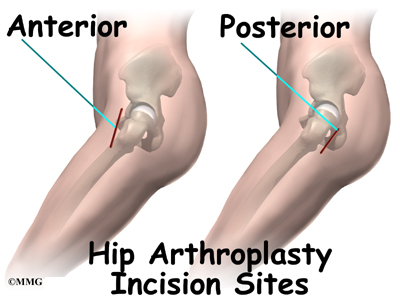
http://www.eorthopod.com/sites/default/files/images/hip_artificial_precautions_incisions01.jpg
http://www.drugs.com/health-guide/images/204825.jpg
http://healthfavo.com/wp-content/uploads/2013/07/anterior-hip-dislocation-on-healthfavo.jpg
http://www.eorthopod.com/sites/default/files/images/hip_artificial_precautions_incisions01.jpg
http://www.drugs.com/health-guide/images/204825.jpg
References:
http://www.wisegeek.com/what-are-the-symptoms-of-a-hip-replacement-dislocation.htm
orthoinfo.aaos.org/topic.cfm?topic=A00352
http://www.patient.co.uk/doctor/Hip-Dislocations.htm
http://twinboro.com/body/hip/conditions/hip-dislocation-nj.html
http://emedicine.medscape.com/article/86930-treatment



No comments:
Post a Comment